
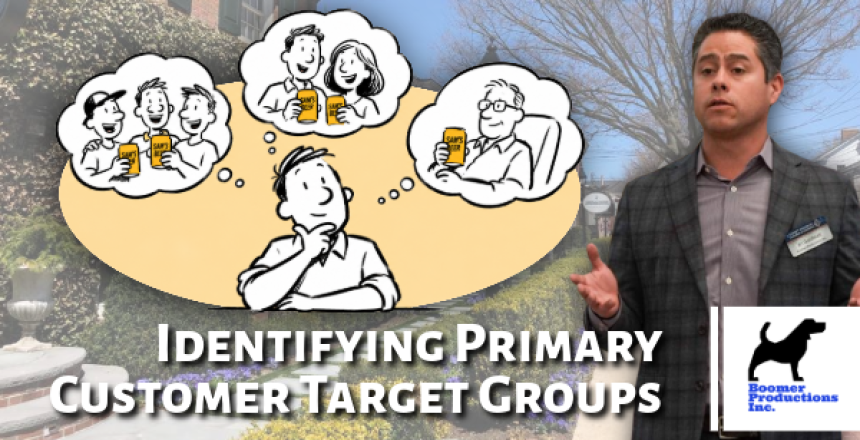
Who Are You Really Talking To?
Why Every Small Business Needs to Identify Its Primary Customer Target Groups
By Ari Goldblatt, Owner & Founder, Boomer Productions
Most small business owners can tell you what they sell. Far fewer can tell you, with real precision, who they’re selling it to. And even fewer have stopped to think about how those different customers actually think.
I started Boomer Productions because I noticed most small business owners had never evaluated their business from a strategic brand marketing and target customer analysis perspective. After 18 years working in corporate and NYC agency marketing, target customer analysis became one of two pillars in my brand marketing approach. The other is a business’s own individual brand. Of the two, target customer analysis is usually the one owners haven’t spent much time on.
The View You Never Get to Take
Running a business is a grind. Once you hit a groove, a steady stream of repeat customers and word of mouth, the natural instinct is to put your head down and keep going. That instinct comes with a cost, though. It’s just harder to see.
Are there other customer groups out there who’d buy your product or service if only you knew how to talk to them? Could a small shift in how you deliver what you offer open the door to a whole new audience? You won’t know unless you step back and actually look.
It's Not Just Who. It's How They Think.
Identifying your target customer groups is step one. The real work is learning to think like each of them.
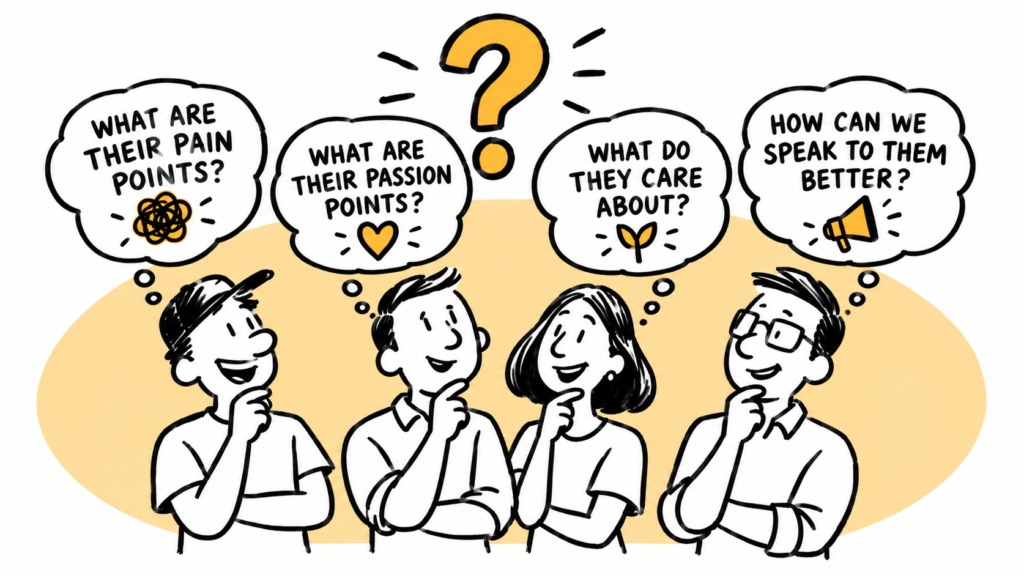
Every group has its own pain points and passion points. Pain points are the frustrations that have customers looking for a solution to help alleviate them. Passion points are the things that customers genuinely care about and want more of.
Once you understand these perspectives within your target customer groups, you can develop messaging that has the potential to address their needs and opportunities. These insights can take what might otherwise be considered general marketing messaging and fine-tune it to speak directly to the personal needs of your customers.
This entire approach can make your marketing more relevant, engaging, and ultimately more effective.
One Product, Multiple Audiences: The Sam's Beer Example
In my brand marketing workshop, I use a simple example to walk clients through this: Sam’s Beer. It’s one product, but it can speak to a few very different customer groups at once, say young men, couples, and older men, each with their own reasons for buying.
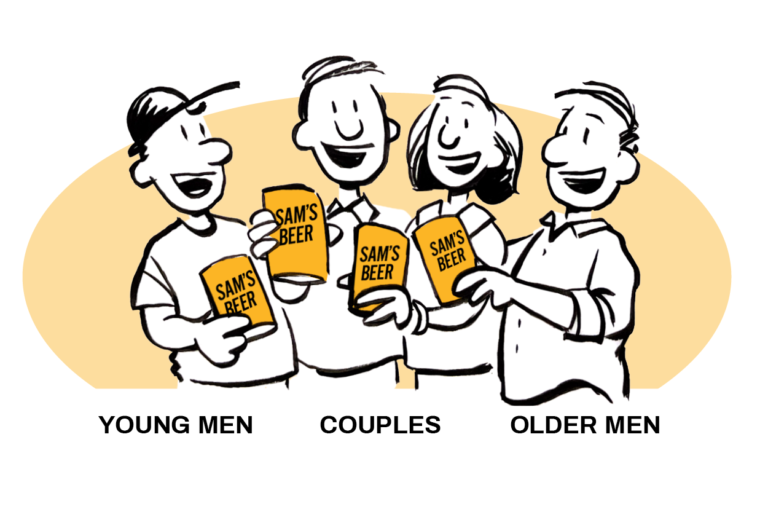
Even within one product category, those three groups likely don’t share the same pain points, the same passion points, or the same reaction to a given ad. A message built for one group might miss the other two entirely. That’s exactly why the workshop starts by identifying the commonalities within each group before we think about messaging at all. Once you know what a group might actually respond to, you can shift your tone, imagery, and channel for each one, rather than aiming a single generic message at everybody and hoping some of it sticks.
Why This Comes Before the Creative Work
I don’t engage in any creative ideation for a client until this groundwork is done, both the unique points of differentiation and the target customer analysis. I call it “establishing the fertile creative ground.”
Trying to come up with big creative ideas without this all important groundwork is effectively throwing something against the wall and hoping it sticks. You might get lucky. You might completely miss the mark. But once the fertile ground is established, the marketer and the business owner can enter the creative process with full confidence that they’ve considered everything about their brand and their customers. That confidence shows up in the work.
Questions I Hear From Small Business Owners:
Most businesses land somewhere between two and four meaningful groups. The goal isn’t a long list of every possible buyer, it’s finding the groups that share real commonalities in how they think.
That’s common, and it doesn’t mean you need one generic message. The work is understanding each group’s reason for purchasing a business’ product or service. Once you know these perspectives you can execute marketing that is a lot more effective.
A target market is a broad demographic snapshot, things like age, income, and location. Target customer analysis goes further and asks how multiple groups think and what actually gets them to buy.
No, this is a thinking exercise, not a spending one. It takes stepping back from day-to-day operations and taking an honest look at your current customers and competition.
Before, always. This groundwork is what I call “creative fertile ground,” and skipping ahead to campaigns without it means you’re guessing.
Start With the Question
If you haven’t stopped lately to ask who your product or service is really for, and whether you understand how they think, that’s the place to start. It’s one of the most overlooked steps in small business marketing.
This process can be applied to any brand or company in any industry, and it gives me a lot of satisfaction to guide small business owners through it. If you haven’t gone through these essential brand marketing steps yet, give me a call or send me an email. I’d love to get started.
Boomer Productions — Your most reliable partner in the marketing field.
Let’s Build Your Brand the Right Way
To learn how you can take advantage of these insights for your business, fill out this form below and we’ll get back to you with a time to connect and discuss your specific situation.